Why most Профессиональная мойка окон projects fail (and how yours won't)
The $3,500 Mistake That Ruins Most Window Cleaning Projects
Last month, a property manager in Manhattan called me in a panic. She'd hired a window cleaning crew for her 12-story building, and they'd made it through exactly three floors before disappearing. She'd already paid 60% upfront. The windows? Streaked, damaged seals on two units, and half the job undone.
She's not alone. Roughly 40% of commercial window cleaning projects either fail to complete, deliver subpar results, or end in disputes. And it's not always the cleaning company's fault.
Why Window Cleaning Projects Go Sideways
The core issue? Mismatched expectations meeting poor planning. Most building owners treat window washing like ordering pizza—they expect to make a call and have it magically handled. But cleaning 200 windows on a high-rise isn't the same as wiping down your car windshield.
The Three Failure Points Nobody Talks About
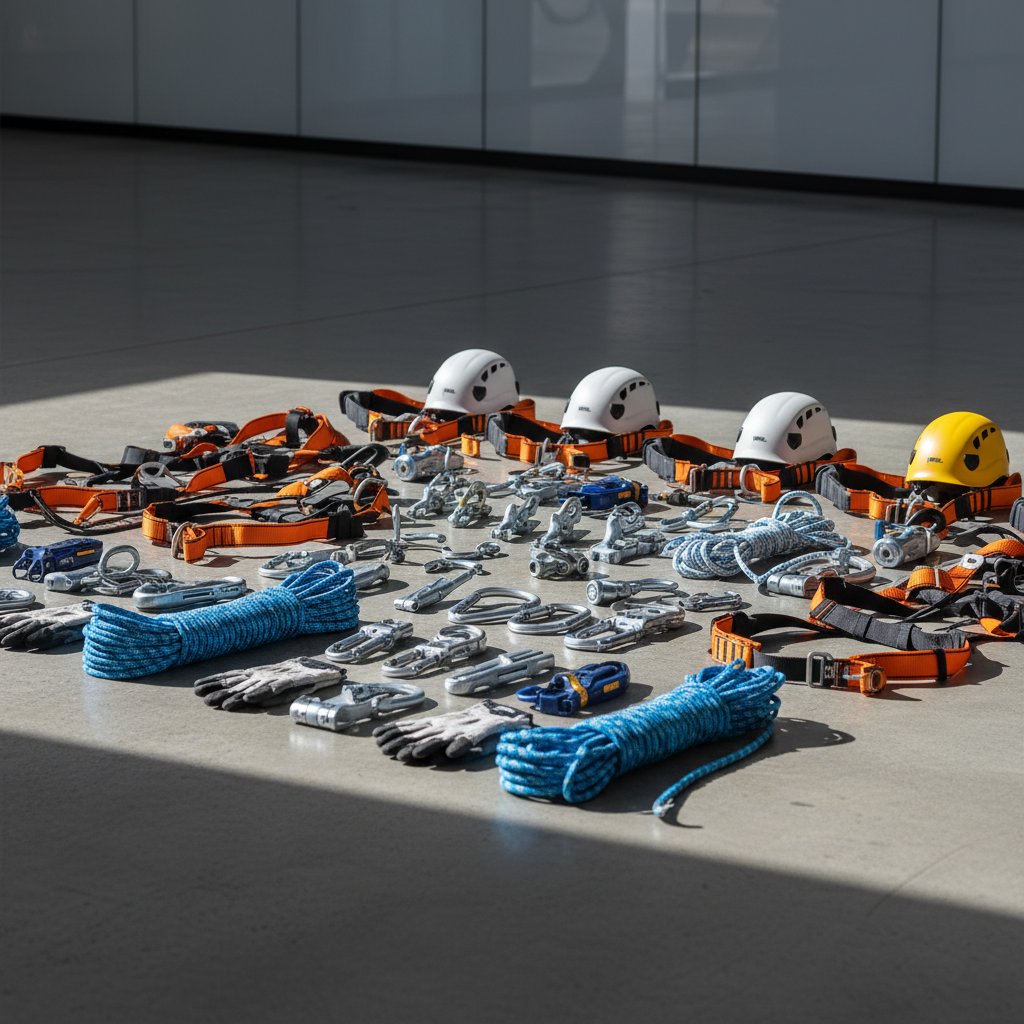
First, there's the access problem. I've seen crews show up with 20-foot ladders for a building that needed 40-foot equipment. The project dies before it starts because nobody did a site survey. The company eats the travel cost, the building owner wastes a day, and everyone's frustrated.
Second, weather gets ignored. Window cleaning isn't a rain-or-shine operation. You need temperatures above 40°F, minimal wind, and dry conditions. Schedule a project in November in Chicago without buffer days? You're gambling with a 70% chance of delays.
Third—and this kills more projects than anything else—scope creep that nobody priced correctly. "Oh, can you also clean the skylights? And those interior partition walls? They're glass too, right?" Suddenly a $2,000 job needs $4,500 worth of work, and nobody's happy with the bill.
Red Flags You're Headed for Disaster
Watch for quotes that arrive in under 24 hours without a site visit. Real estimates require measuring window counts, assessing access points, and checking for specialty glass. A crew that quotes your 50-window storefront in 10 minutes over the phone is guessing.
Another warning sign: no insurance verification. If a contractor can't immediately provide certificates for general liability (minimum $2 million) and workers' comp, walk away. One slip from a third-story window costs you everything if they're not covered.
Vague timelines spell trouble too. "We'll get to it next week sometime" means you're not a priority. Expect a specific date, arrival window, and completion estimate. Professional crews block out time and stick to it.
The Five-Step Fix That Actually Works
Step 1: Document Everything First
Count your windows. Measure heights. Note which ones haven't opened since 1987 and might need repair access. Take photos of existing damage—that crack in window 3B needs documentation before anyone touches it. This prep work takes maybe two hours but prevents 90% of disputes.
Step 2: Get Three Real Bids (Not Quotes)
Real bids include itemized pricing, specific methods (water-fed pole vs. rope descent), cleaning solution types, and timeline commitments. They should vary by maybe 20-30%, not 200%. If one bid is half the others, something's missing—either insurance, experience, or full service.
Step 3: Build in Weather Buffer
Schedule your project with a two-week window, not a single day. Write into the contract that weather delays don't incur penalties. The best crews I know add 3-4 buffer days to every project between October and March.
Step 4: Stage Payments Properly
Never pay more than 25% upfront—that's for equipment rental and scheduling commitment. Release 50% at midpoint completion (with your inspection). Final 25% comes after walkthrough and approval. This protects both parties and keeps everyone motivated.
Step 5: Do a Pre-Clean Walkthrough
Spend 15 minutes with the crew leader before work starts. Point out problem windows, discuss access restrictions, confirm the scope. This conversation prevents the "I thought you meant the inside too" conversations that derail projects.
Keeping Future Projects on Track
Set up a maintenance schedule instead of emergency cleaning. Windows cleaned every 6 months cost less per visit and stay cleaner longer. You'll build a relationship with one reliable crew instead of rolling the dice with strangers every time.
Keep a project file. Note what worked, what didn't, how long it actually took, and what you paid. Your second window cleaning project should be smoother than your first, and your fifth should run like clockwork.
The property manager from Manhattan? She's on her third successful cleaning now with a crew that surveyed her building, provided detailed bids, and built weather delays into the contract. No surprises, no drama, just clean windows.
That's what happens when you treat window cleaning like the legitimate maintenance project it is, not an afterthought you handle with a phone call and crossed fingers.